“a voice as a shadow, a voice as a memory”
Irena Tomažin
TX: Thursday, 17 September⋅12:00 – 12:30pm
Saturday, 19 September⋅6:00 – 6:30pm
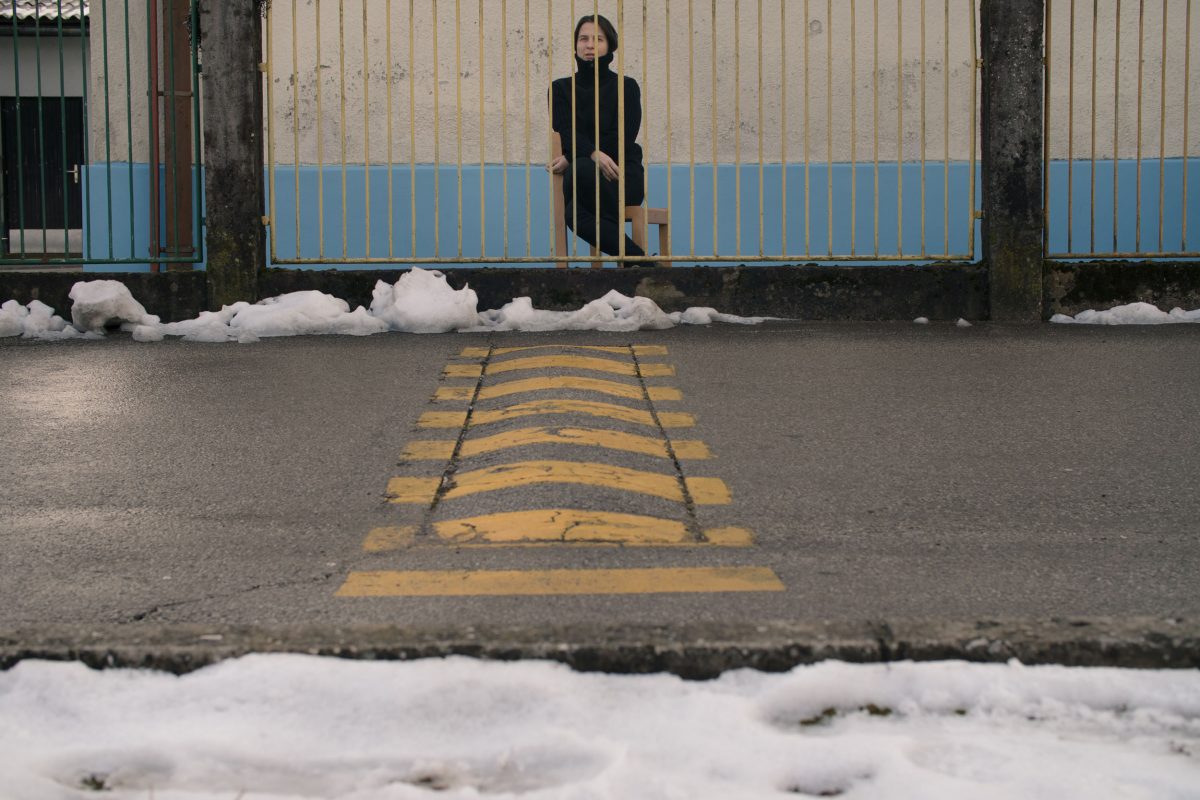
In my work I am trying over and over again to listen and to hear different and not so obvious landscapes of human voice. Landscapes of voices that are not so audible in the foreground of our ability to listen but are more present as some kind of shadows – it’s not only that we try to hide those voices (un)consciously, but more as if they are so present that we don’t perceive them anymore. Or as if they would be so obvious to our everyday sound landscapes, that we don’t hear them… could be also as if they don’t deserve our attention anymore. On the other hand when speaking of voice we always seem to think of the most obvious dimension – the audio dimention… In a Slovene language there exists a word “tišina” that means silence, but there is also a word “molk” that at least English translation doesn’t have an equal word for it – the closest would be “remaining silent”. In German there is die Stille for silence and das Schweigen for “molk”. But in French, Spanish, Italian language the distinction between the silence and molk / das Scweigen doesn’t exist. And “molk” – “das Schweigen” belongs to voice – so there is a voice to be expressed or words to be said or the need to explain something, but for various reasons one “remains silent”, because one doesn’t find the right words, because it is too hard or too emotional or too overwhelming to be even able to speak, or because one doesn’t want to speak up… So I find “molk” or “remaining silent” as a state of a valid voice presence, that doesn’t have its existence in audio reality, but is still very much present. An absence that is present – one can witness it in the gestures, body positions, face expressions – it’s obvious, but just not through audio dimension.
So how to acknowledge the absence in the audio work? The absence is not just silence or a pause… Seems like a somehow dis-placed task or even incorrect assignment.
But I hear a lot of “remaining silent” in my voice… maybe it is a certain colour of the voice or a certain dynamic or motion in the voice… However at the moment – this moment does last for quite some time now – I am obsessed with the voices that remain silent to a certain extent.
So this work: “a voice as a shadow, a voice as a memory” is somehow made from three parts:
when I was old and cold
when I am wandering and questioning
when I will be as an absence present like noise
None of it was recorded in a studio, but in my everyday living places like a child’s room or kitchen…with everyday background noise.
voice/recordings: Irena Z.Toma
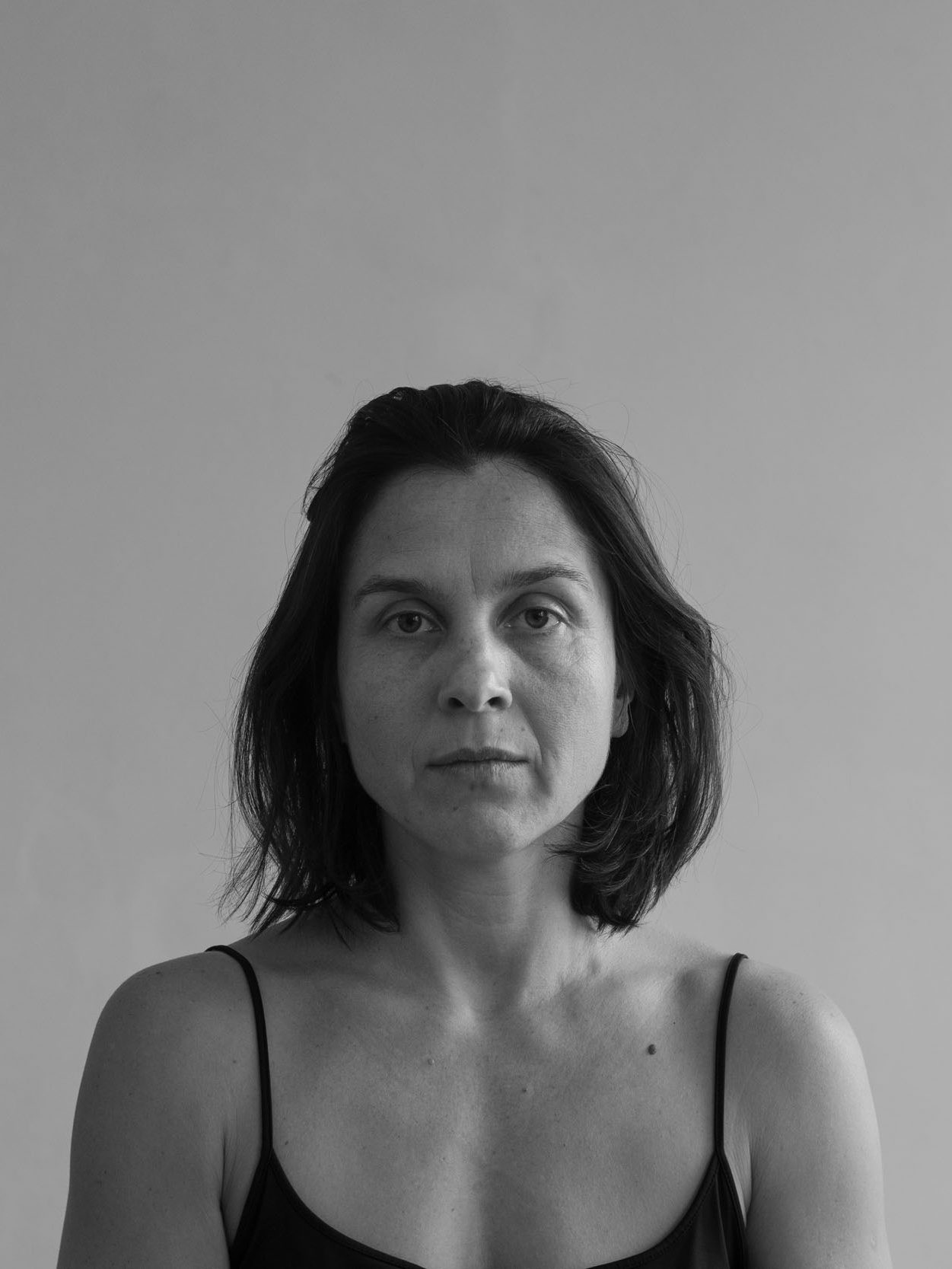
Irena Z. Tomažin is a dancer, choreographer, performer, vocalist, singer and improviser, strongly present on the local and international scene.
As a musician she made her name with solo project iT, project for voice and dictaphones, where she uses forms of songs, sound poetry, spoken word, theatre, text and performance. The project took her on the path of deconstruction of voice which she deepens as an improviser, solo artist or in various groups and collaborations, where she went further with exploration of sound and noise of the voice, textures and in-between spaces of voice, body and bodily mechanics.
She performs solo or in collaborations with among others: Tomaž Grom, Lee Patterson, Xavier Charles, Christof Kurzmann, Jonas Kocher, Gaudenz Badrutt, Šalter Ensemble, Tim Blechmann, Michael Zerang, Liz Allbee, Alessandra Eramo, Ilia Belorukov, Okkyung Lee, Maja Osojnik, Christian Kesten, Ina Puntar, Dré Hočevar, Matej Bonin and others.